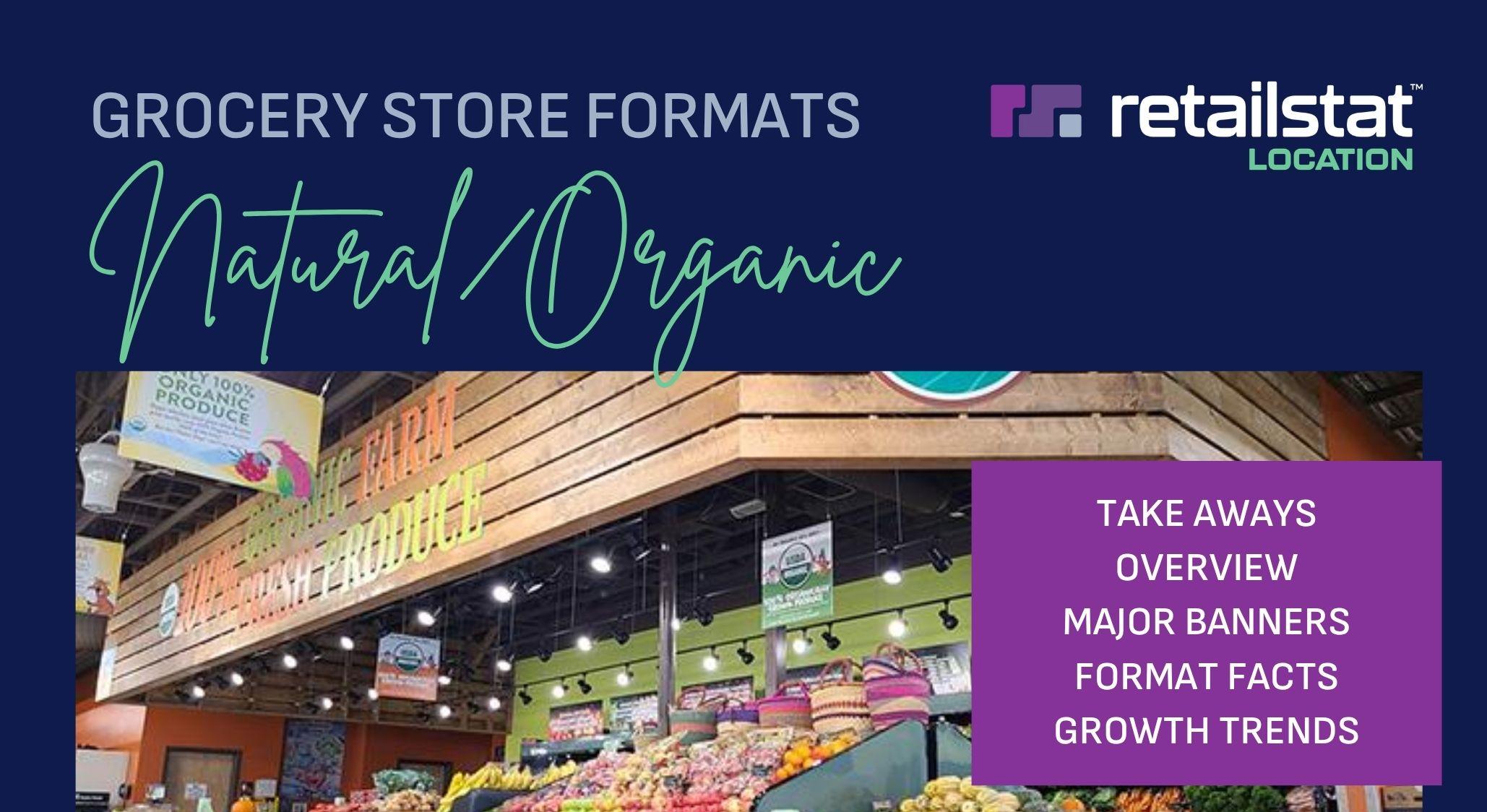
Natural & Organic Grocery Store Trends: Growth, Insights & Market Shift
What really defines a Natural/Organic grocery store — and why does it continue to hold its ground despite growing competition?
This report takes a closer look at a format built around organic products, local sourcing, and health-focused grocery trends — often thriving in high-income markets where quality matters more than price.
From industry leaders like Whole Foods to regional players and independent markets, the organic grocery market is more competitive and complex than it appears.
While average sales may seem slightly lower than traditional grocery formats, the real story lies in higher sales efficiency and niche positioning that keeps this segment relevant.
But here’s the catch — With conventional retailers expanding into organic food retail, the space is becoming increasingly crowded, raising an important question:
Can Natural/Organic stores sustain their growth, or are they being slowly absorbed into the mainstream?
👉 Explore the full report to uncover key insights, growth trends, and the future of organic grocery stores. Download now