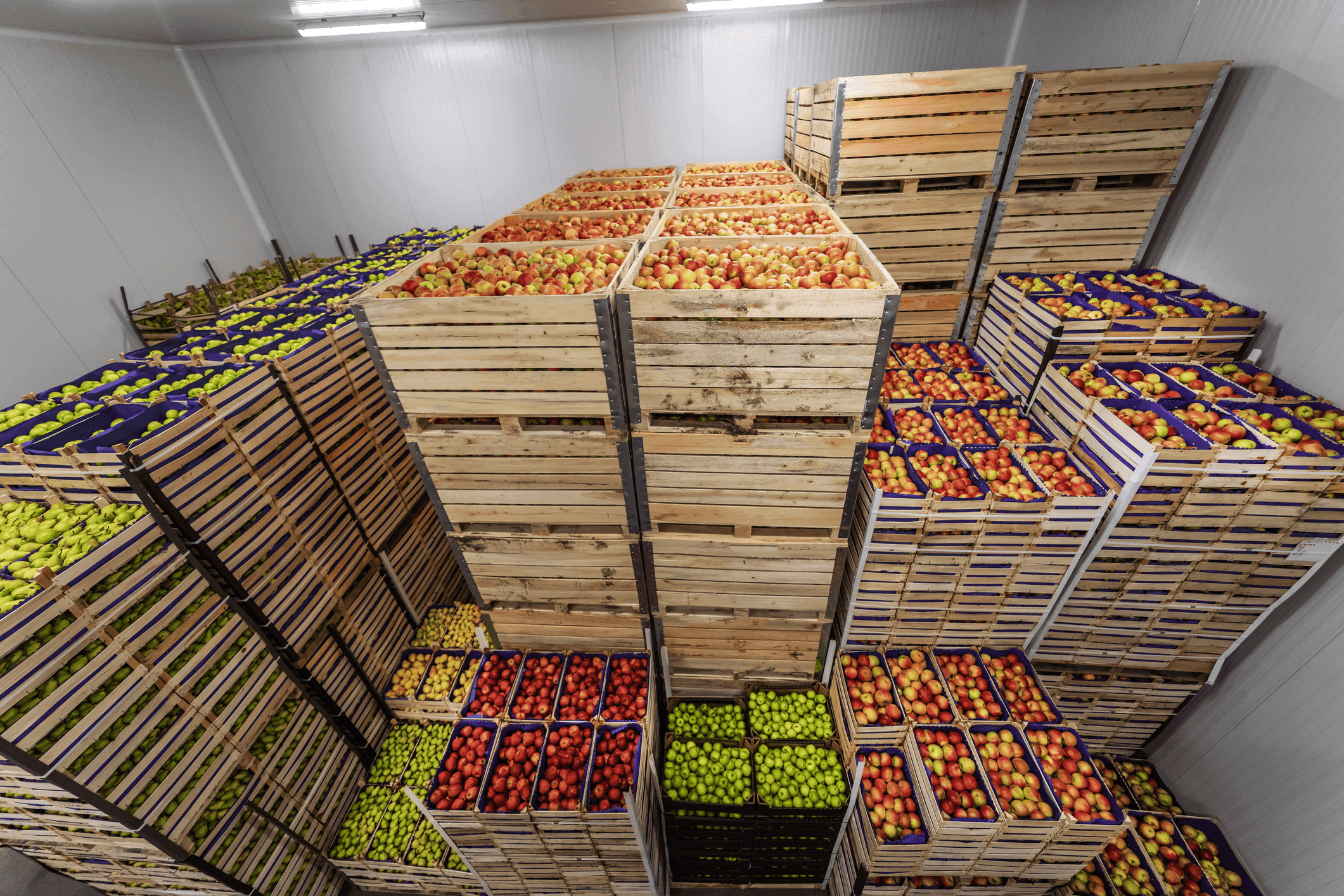
Food Wholesale: Financial Performance, Profitability & Industry Outlook
How are food wholesalers navigating a market shaped by inflation, changing customer demand, and tightening operating margins?
This executive review examines the financial performance of the food wholesale industry, analyzing key operating and balance sheet metrics across leading wholesalers. The report evaluates revenue growth, profitability, cash flow, leverage, inventory efficiency, and liquidity to provide a comprehensive view of the industry's financial health and competitive positioning.
The analysis compares major food wholesalers, including United Natural Foods (UNFI), C&S Wholesale Grocers, Wakefern, Associated Wholesale Grocers, KeHE Distributors, Alex Lee, Bozzuto's, and other regional operators. It reviews trailing twelve-month (TTM) sales, gross and EBITDA margins, SG&A expenses, capital expenditures, inventory turnover, free cash flow generation, debt levels, credit facility availability, interest coverage, and credit quality to identify broader industry trends.
While sales growth remained positive for many wholesalers, the broader story is how companies continue balancing profitability, operational efficiency, and capital allocation in an environment where margins remain relatively thin and financial discipline has become increasingly important.
But here's the catch — Revenue growth alone doesn't determine financial strength. As wholesalers manage inventory, debt, liquidity, and capital investments while responding to evolving customer needs, understanding the underlying financial metrics becomes essential for evaluating long-term stability and competitive positioning.
Which food wholesalers are best positioned for long-term financial resilience—and what do today's operating and credit metrics reveal about the future direction of the industry?