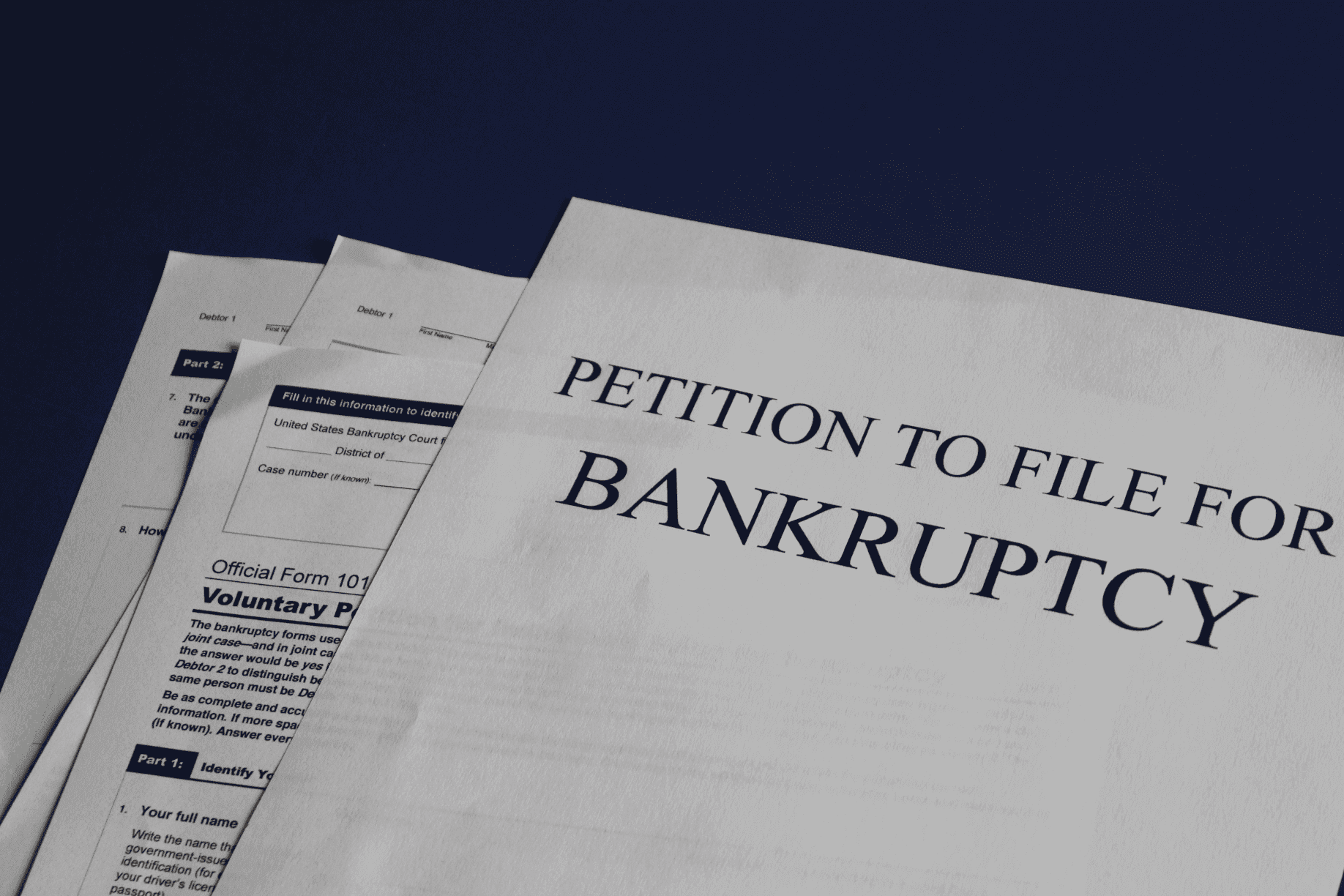
2022 Retail Bankruptcies: Chapter 11 Trends, Industry Impact & 2023 Outlook
What did 2022's retail bankruptcies reveal about the industry's financial health—and what could they signal for the year ahead?
This report reviews the most significant Chapter 11 bankruptcy filings across the retail industry during 2022, examining how inflation, supply chain disruptions, shifting consumer demand, and tighter financial conditions influenced corporate restructuring and liquidation activity. While bankruptcy filings remained near historic lows following the surge seen during the pandemic, economic conditions began shifting rapidly as the year progressed.
The analysis covers major filings across multiple retail sectors, including BH Cosmetics, Escada America, Buyk, BLT Restaurant Group, Revlon, Enjoy Technology, Cineworld, Olympia Sports, Sears Hometown, and several other companies. It explores the operational and financial challenges behind each filing, including excess inventory, higher borrowing costs, labor shortages, supply chain constraints, pandemic aftereffects, and weakening discretionary consumer spending.
While relatively few retailers entered bankruptcy during 2022, the broader story is how economic headwinds—including persistent inflation, rising interest rates, and softer consumer demand—created a far more challenging operating environment heading into 2023. The report examines how these factors may influence future restructuring activity across the retail landscape.
But here's the catch — Low bankruptcy activity doesn't necessarily indicate a healthy retail environment. As retailers face tighter credit markets, shrinking margins, and changing consumer spending patterns, financially vulnerable businesses may encounter increasing pressure to restructure or exit the market.
Which retail sectors face the greatest financial risk—and what do 2022's Chapter 11 filings reveal about the outlook for retailers navigating an increasingly uncertain economic landscape?