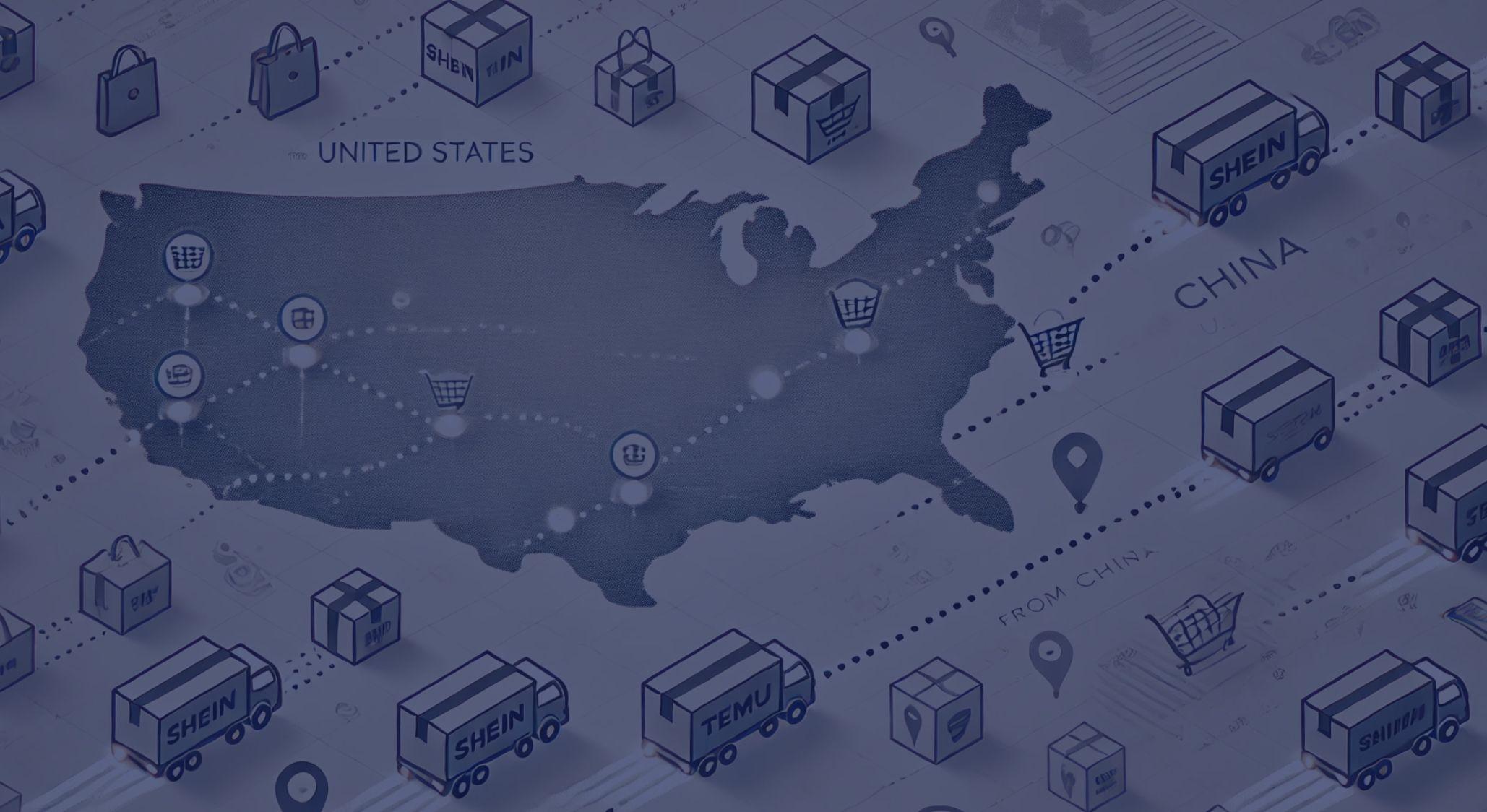
De Minimis Reform: Tariffs, E-Commerce Competition & the Future of Retail
How could changes to the de minimis exemption reshape competition between U.S. retailers and global e-commerce platforms?
This report examines the growing debate surrounding the de minimis exemption and its role in transforming the retail landscape. Originally designed to simplify low-value imports, the exemption has become a significant advantage for cross-border e-commerce platforms such as Shein and Temu, raising new questions about pricing, trade policy, and competitive balance for U.S. retailers.
The analysis explores how recent tariff actions, proposed regulatory changes, and shifting import policies could influence supply chains, consumer pricing, and retailer profitability. It also examines the broader implications for traditional retailers, fast fashion brands, and digital commerce as companies adapt to an increasingly competitive global marketplace.
While changes to the de minimis exemption may help create a more level playing field, long-term success will depend on more than trade policy. Retailers must continue to evolve their pricing strategies, supply chain operations, and customer experience to remain competitive in a rapidly changing market.
But here's the catch —
Removing a competitive advantage doesn't automatically eliminate the competition. As global e-commerce platforms expand their U.S. operations and refine their fulfillment strategies, retailers will need to respond to changing consumer expectations as much as changing regulations.
How will tariff policy and de minimis reform reshape pricing, competition, and the future of retail in an increasingly global marketplace?