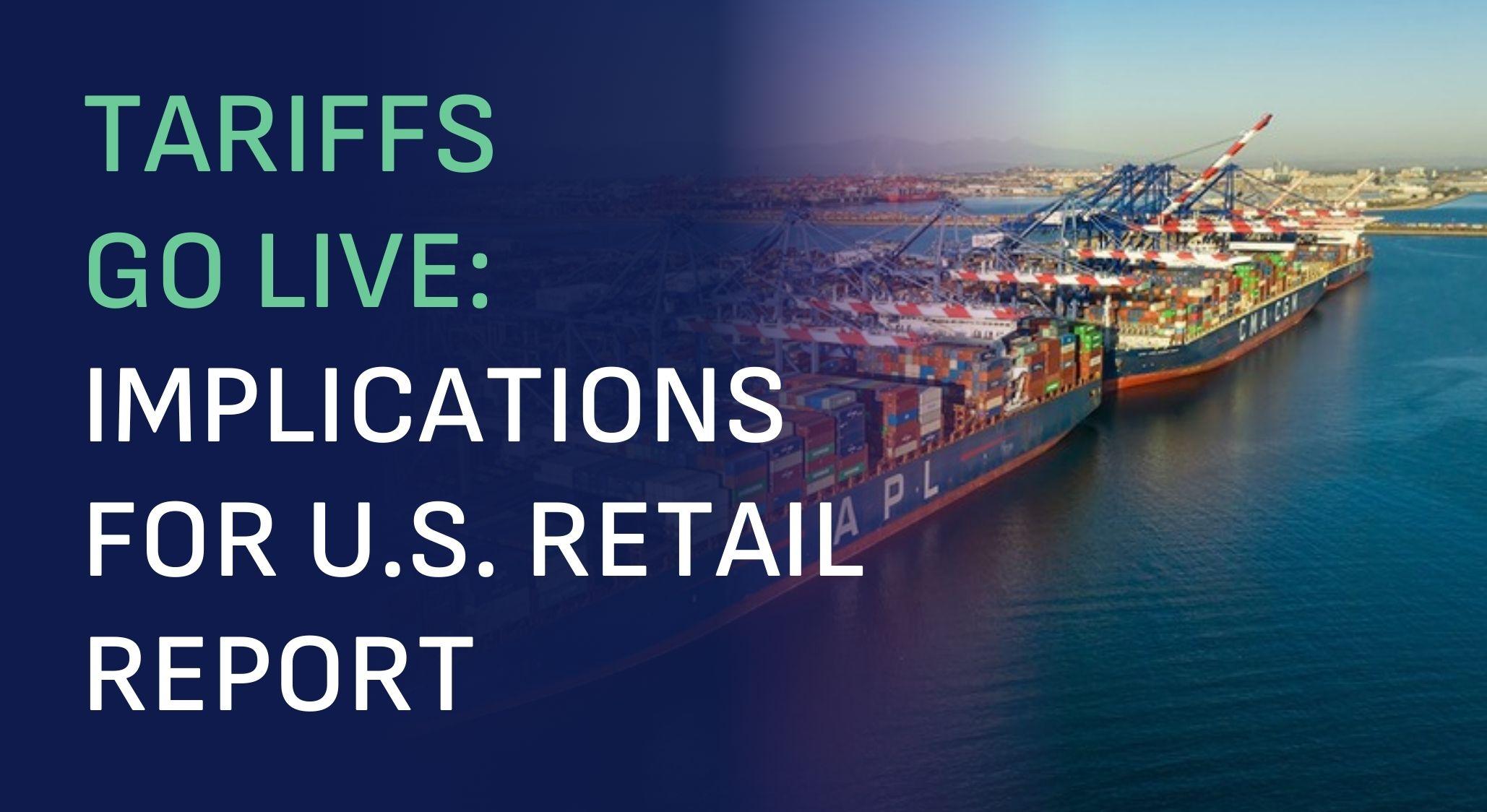
2025 Tariffs: Supply Chain Disruption, Pricing Pressure & Retail Resilience
What happens when sweeping tariffs move from policy discussions to business reality—and how prepared are retailers to absorb the impact?
This report examines the implementation of the 2025 U.S. tariff framework and its implications for retailers navigating rising import costs, evolving sourcing strategies, and increasing pressure on profit margins. From new tariffs affecting key trading partners to changing global supply chain dynamics, the analysis explores how businesses are adapting to a rapidly shifting trade environment.
The report highlights the retail sectors facing the greatest exposure, the operational strategies companies are using to manage higher costs, and the competitive implications of evolving trade policy. It also examines sourcing diversification, inventory planning, private-label expansion, and the changing economics of global retail as organizations respond to new market realities.
While the immediate impact is reflected in higher operating costs, the broader challenge lies in how retailers balance pricing, supply chain flexibility, and long-term competitiveness in an increasingly uncertain global marketplace.
But here's the catch —
Tariffs are only one part of the equation. Retailers must also navigate shifting consumer demand, supplier negotiations, and evolving geopolitical risks while protecting margins and maintaining customer value.
Which retailers are best positioned to adapt as higher tariffs redefine sourcing strategies, pricing decisions, and competitive advantage?